

1. Defining Non-Toxic Materials and Their Classifications
At its core, a non-toxic material is one that poses minimal to no risk of harm to human health or the environment. In the context of an indoor playground, this means materials that do not emit harmful chemicals, are free from dangerous additives, and are safe for prolonged, direct contact with children's skin and respiratory systems.
How They Differ from Conventional Materials
The key difference lies in their formulation and impact. Traditional materials, like certain plastics or composite woods, may rely on chemicals such as phthalates (plasticizers) or formaldehyde-based resins for flexibility and durability. These substances can off-gas, meaning they slowly release volatile organic compounds (VOCs) into the air over time. In contrast, non-toxic materials are engineered to eliminate or drastically reduce these hazardous components from the start. Their safety is proactively designed-in, not just managed after the fact.
Common Types of Non-Toxic Materials for Play Spaces
Modern indoor playgrounds can utilize a variety of safe materials:
=== Non-Toxic Plastics & Polymers:
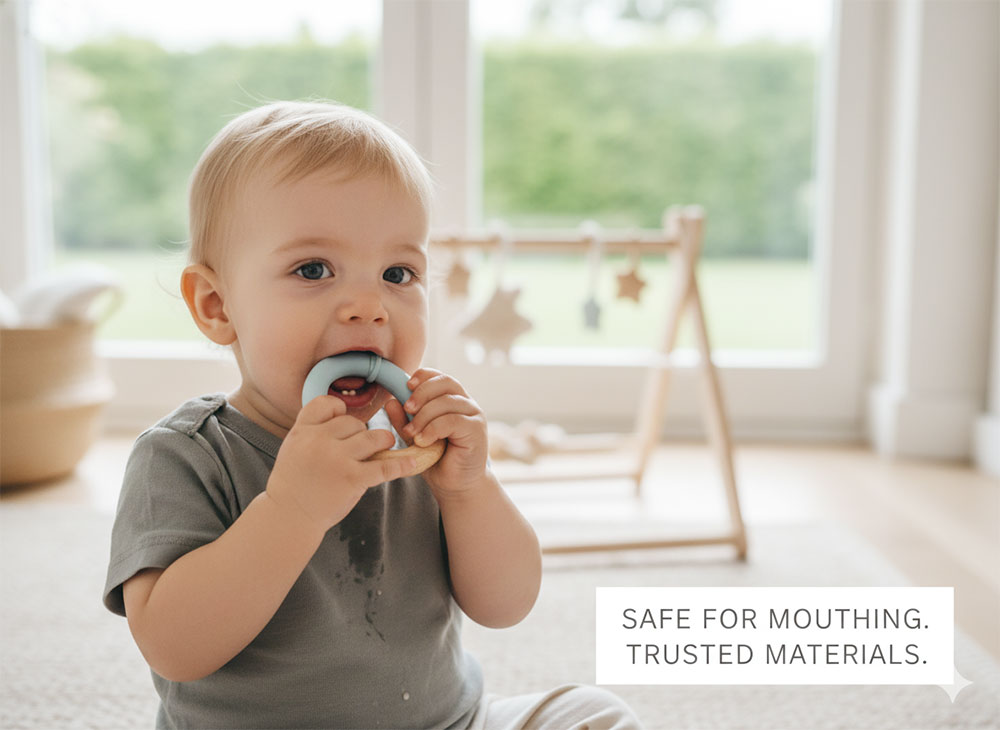
Look for plastics like PP (Polypropylene) and PE (Polyethylene), which are known for being non-toxic and odorless. Newer thermoplastic elastomers, such as TPE, offer a soft, rubber-like feel ideal for toddlers' teething toys and soft play components. It's advisable to avoid materials like PVC, which can contain concerning plasticizers, and PC (polycarbonate), which has been linked to potential health risks.
=== Natural Rubber:
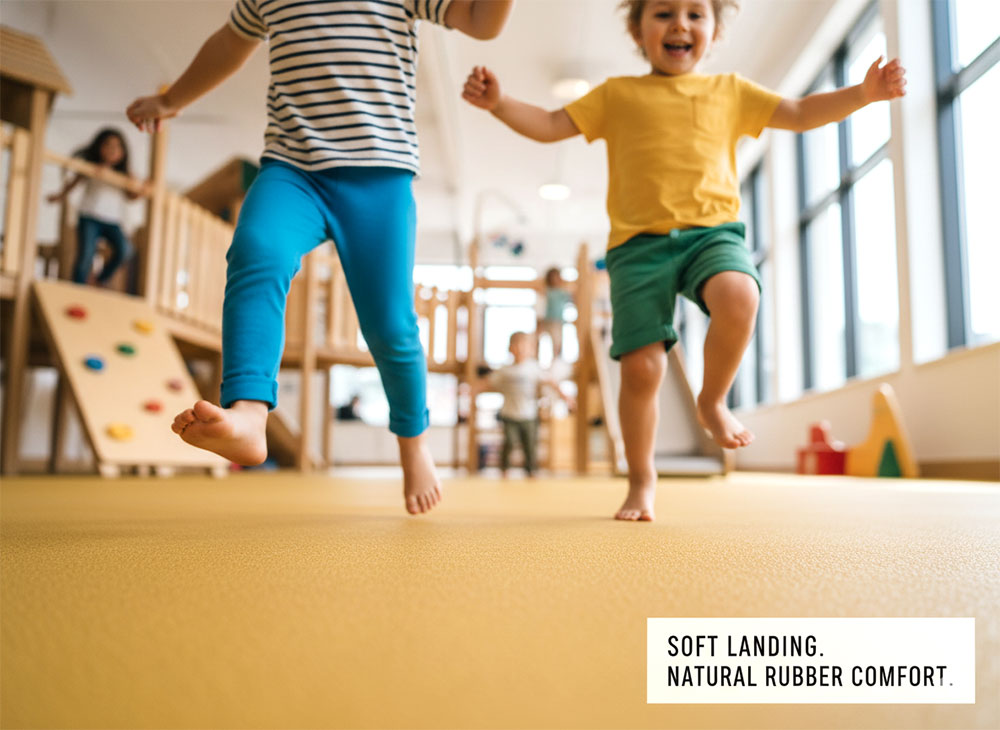
Sourced from rubber trees, natural rubber is a renewable resource often used in flooring and matting. It is durable, shock-absorbent, and free from synthetic chemical additives.
=== Safe Paints and Coatings:
Specially formulated low-VOC or VOC-free paints are critical for any colored surface. Advanced options, like some children's wall paints, now offer "asthma & allergy-friendly" certifications, having eliminated common irritants and SVOCs (semi-volatile organic compounds) that can affect sensitive individuals.
=== Innovative Composites:
The industry is moving towards sustainable, high-performance alternatives. Examples include play structures made from post-consumer recycled textiles , which undergo rigorous safety testing for strength and durability, proving that eco-friendly can also be exceptionally robust
2. The Impact of Non-Toxic Materials on Child Safety
Children are uniquely vulnerable. They have higher metabolic rates, breathe more air relative to their body weight, and frequently touch surfaces and then their mouths. The materials in their play environment directly influence their well-being.
Mitigating Health Risks
Creating a non-toxic environment directly targets several health concerns:
=== Reducing Allergies and Respiratory Issues:
Materials with low chemical emissions help maintain superior indoor air quality. This is crucial as some chemicals found in conventional plastics have been associated with impacts on immune function and an increased risk of allergies and asthma. Using paints and sealants certified for low emissions can significantly reduce these airborne irritants.
=== Preventing Skin Irritation:
Non-toxic materials are free from harsh chemical treatments, dyes, or preservatives that can cause rashes or dermatitis upon contact with sensitive skin. For instance, synthetic grass designed for playgrounds now emphasizes being non-toxic and hypoallergenic.
=== Eliminating Ingestion Hazards:
Since young children explore with their mouths, any material they might chew on, like the edge of a play panel or a toy figure, must be free of lead, BPA, phthalates, and other harmful substances.

Globally Recognized Standards for Non-Toxic Materials in Indoor Playgrounds
The term "non-toxic" for indoor playgrounds primarily refers to the chemical safety of materials. Asia, Europe, and North America each have stringent standards with different emphases. The table below provides a quick overview of the key standards and indicators in each region.
| Region | Primary Standard/Regulation | Key Chemical Indicators (Examples) | Main Applicable Play Equipment Parts/Structures |
Asia (China Example) | GB 6675 Series Standards for Toy Safety | Total Lead Content : Comprehensive control . Phthalates: Flexible parts in direct skin contact. | All materials (plastic, metal, coatings, etc.); structures using man-made boards; flexible parts that may contact children's skin or mouth. |
| Europe | EU Toy Safety Directive (2009/48/EC) & Harmonized Standard EN 71 | Migration of Specific Elements (e.g., lead, cadmium - 19 total). Banned Substances: CMR substances, endocrine disruptors (e.g., BPA), persistent pollutants. | All accessible toy materials and parts; any material likely to be contacted by a child. |
North America (USA Example) | CPSIA (Consumer Product Safety Improvement Act) | Lead Content: Substrate ≤100ppm, coatings ≤90ppm. Phthalates (6 types): ≤0.1% in any accessible component. | All substrates and coatings in the product; all components that may be contacted by a child. |
International Reference | ISO 8124 Safety of Toys International Standards | Migration of Specific Elements (8 types). | Provides a foundational framework; the scope aligns with the national standards that adopt it. |
Detailed Regional Analysis and Application
China (GB Standards):
China's standards offer comprehensive control. Beyond regulating hazardous substances in materials, they place significant emphasis on overall structural safety. For instance, the updated national standard mandates rigorous structural load calculations for play structures with platforms exceeding 3 meters in height and requires at least two emergency exits in enclosed areas (e.g., soft play zones). This reflects an extension from material safety to holistic design safety.
Europe (EN Standards):
EU standards are renowned for their strictness and forward-looking approach. They prohibit or restrict not only known harmful substances but also a broad range of potentially hazardous substances, such as Carcinogenic, Mutagenic, or toxic for Reproduction (CMR) substances and endocrine disruptors. Recent regulatory trends also strengthen the assessment of cybersecurity and data privacy for connected toys. Regarding compliance, products entering the EU market must bear the CE marking, and manufacturers must prepare a Technical File containing documentation like the safety assessment report.
United States (CPSIA/ASTM Standards):
U.S. regulations are characterized by enforcing strict legal limits, particularly for lead and phthalates. They require that all children's products be accompanied by a Children's Product Certificate (CPC) issued based on testing by an accredited laboratory. Furthermore, permanent tracking labels are mandatory; products must be marked with information such as the manufacturer, production date, and batch to facilitate recalls if necessary.
Guidance on Selecting and Using Safe Materials
In practice, you can consider the following points:
1. Identify Core Standards by Target Market:
The products must, at a minimum, meet the mandatory standards of the destination market.
2. Focus on Contact Type and Frequency:
The most stringent regulatory focus is typically on parts that involve direct and frequent contact with children's skin or mouth, such as soft padding, handrails, and small, hand-held toy components.
3. Understand the Concept of "Migration":
Chemical risk assessment considers not just what is in the material but, more critically, whether harmful substances can leach out and be ingested. Standards employ "migration limit" tests that simulate scenarios like mouthing or skin contact.
4. Manage Supply Chain and Documentation:
Require upstream material suppliers to provide test reports proving compliance with relevant standards. For finished products, maintain complete compliance test reports and certification documents, which are crucial for market surveillance and addressing inquiries.
5. Stay Updated on Standard Revisions:
Safety standards are continuously revised. For example, the EU's EN 71-3 standard for element migration was updated in late 2024, and China released a new version of its standards in 2025. It is essential to monitor the latest versions of standards in your target markets.
A Buyer's Guide to Choosing Truly Non-Toxic Materials for Indoor Playgrounds
For procurement managers and investors in the family entertainment industry, creating a safe play environment is paramount. Transitioning to non-toxic materials is not just an ethical decision; it's a strategic investment in brand reputation, customer trust, and long-term operational safety. This guide provides actionable standards and advice for selecting high-quality, non-toxic materials and integrating them into your project smartly.
Part 1: The Procurement Checklist: How to Identify High-Quality, Non-Toxic Materials
Navigating supplier claims can be challenging. Use this checklist to verify the safety and quality of materials systematically.
| Evaluation Dimension | Key Questions to Ask & Standards to Look For |
| 1. Material Composition & Transparency | - Does the supplier provide a full declaration of substances used, especially for plastics and coatings? - Does the material comply with EU REACH SVHC (Substances of Very High Concern) restrictions and RoHS directives, limiting heavy metals and specific phthalates? - For plastics, are bromine, chlorine, and PFAS (per- and polyfluoroalkyl substances) content controlled to strict limits (e.g., ≤1000 ppm)? |
| 2. Third-Party Certifications & Testing | - Does the product have relevant safety certifications (e.g., ASTM F1487 for playground equipment, EN 1176)? - Does it carry eco-labels like EPEAT (which includes stringent chemical criteria) or FSC® for sustainable wood? - Can the supplier provide independent test reports for chemical migration, emission (VOCs), and mechanical safety? |
| 3. Hazard Assessment | - Have the chemical additives (like plasticizers or flame retardants) been assessed by tools like GreenScreen® or ChemFORWARD to confirm they are low-hazard? - For materials involving skin contact, has a long-term exposure risk assessment been conducted? |
| 4. Performance & Durability | - Has the material undergone and passed rigorous mechanical tests for indoor use (e.g., tensile strength, impact resistance, abrasion)? - Is it easy to clean and maintain without degrading or releasing chemicals? |
| 5. Sustainable & Circular Attributes | - Does the product use post-consumer recycled (PCR) content (e.g., from textiles or plastics)? - Is the material itself recyclable or reusable at the end of its life? |
Actionable Advice for Procurement:
1. Demand Data, Not Just Claims:
Move beyond marketing terms like "eco-friendly." Require suppliers to provide Technical Data Sheets (TDS) and test reports that prove compliance with the standards above.
2. Prioritize Food-Contact Grade Materials:
For components children might mouth (e.g., toddler play panels, handrails), specify materials that meet food contact regulations (like EU 10/2011 or FDA CFR 21). Materials like Tritan™ or PPSU, common in baby bottles, have stringent migration limits for monomers, making them a benchmark for safety. Newer national standards are providing clearer testing methods for these materials .
3. Focus on the "Invisible" Components:
Often, the greatest risks come from adhesives, coatings, and composite binders. Insist on formaldehyde-free boards and low-VOC, non-solvent-based paints and adhesives. Industry reports highlight a growing market for ultra-low formaldehyde resins, indicating available alternatives .
4. Audit the Supply Chain:
Use standards like EPEAT as a framework, which emphasizes responsible supply chains and transparency from raw material to finished product . Choose suppliers who can trace the origin of their materials.

Part 2: Smart Investment: Balancing Cost and Value in Your Budget
Investing in non-toxic materials requires a shift from viewing cost as a simple line item to understanding it as value-driven capital expenditure.
1. Understanding the Cost Structure:
Upfront Premium:
Expect an initial cost premium of 10-25% for certified non-toxic or high-PCR content materials compared to conventional alternatives. This covers advanced material engineering, stringent testing, and certification processes. As noted by manufacturers, processing post-consumer recycled materials for safety and performance is more time-consuming .
Lifecycle Cost Savings:
This initial investment offsets multiple downstream costs:
=== Reduced Liability Risk:
Mitigates the immense financial risk associated with health incidents or recalls.
=== Enhanced Brand Value & Marketing:
A verifiably safe environment is a powerful marketing tool, allowing for premium positioning and attracting safety-conscious families.
=== Longer Asset Life:
High-quality, durable materials withstand heavy use better, reducing replacement frequency. For example, FSC-certified hardwood like acacia is naturally durable without chemical preservatives .
2. Budgeting Strategies for Investors:
Phased Implementation:
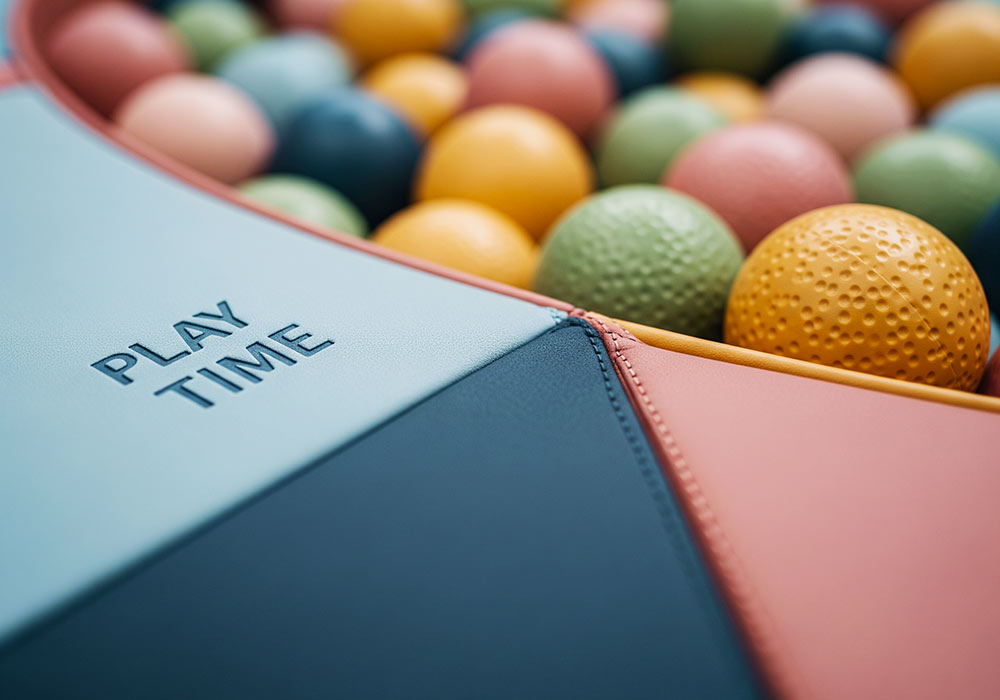
Don't retrofit everything at once. Prioritize high-contact zones for the youngest children (toddler areas, ball pits) in the first phase.
Total Cost of Ownership (TCO) Analysis:
Make decisions based on a 5-10 year TCO model, factoring in maintenance, potential for repurposing, and end-of-life recycling value, not just purchase price.
Allocate for Verification:
Dedicate 2-5% of the material budget for third-party verification testing. This validates your investment and provides undeniable proof of safety to your customers.
Explore Green Financing/Incentives:
In some regions, sustainable building projects may qualify for tax benefits, grants, or favorable financing terms. Framing your project within the goals of initiatives like the EU's Green Deal can uncover such opportunities .
Choosing non-toxic materials is a profound investment—not just in equipment, but in peace of mind and the long-term health of every child who enters. It builds a foundation where fun and safety are seamlessly intertwined, ensuring that the happiest of childhood memories are also the healthiest.
To ensure the safety of your specific play space, always consult with professionals who can advise on material certifications, proper installation, and maintenance tailored to your playground's design and usage.


Dec. 01, 2025
Safety, Scale, and Savings: The Lookiido Advantage in Fire-Rated Indoor Playground Manufacturing

Jun. 07, 2025

May. 30, 2025

May. 30, 2025

Jun. 10, 2025

Jun. 28, 2025

Commercial Indoor Sports Trampoline Park Cost Best Adult Kids Gravity Jump Playground Factory
Inquire Now
Indoor Giant Waterless Slide Park Investment Franchise Commercial Equipment Manufacturer
Inquire Now



